Ethereum Mining ASIC: Understanding the Past, Present, and Future of Specialized Hardware
Ethereum Mining ASIC: Understanding the Past, Present, and Future of Specialized Hardware
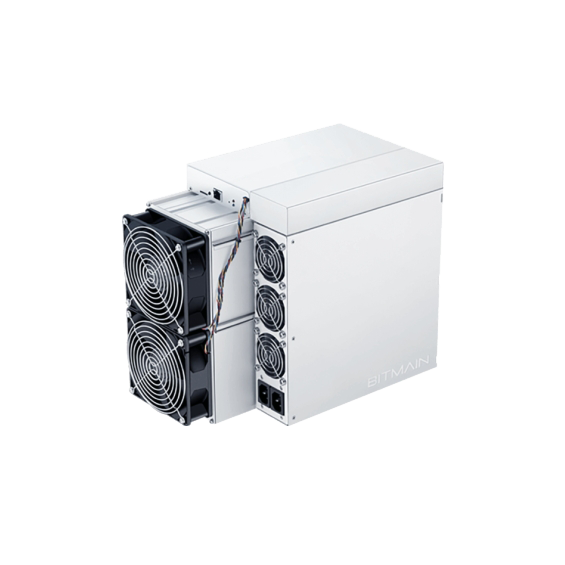
Ethereum Mining ASIC
The narrative surrounding Ethereum and specialized mining hardware, often abbreviated as ASIC (Application-Specific Integrated Circuit), is one of the most dynamic and consequential stories in the history of cryptocurrency. For years, the question of “Ethereum mining ASIC” devices fueled intense debate within the community, representing a clash between ideals of decentralization and the relentless march of mining efficiency. With Ethereum’s monumental transition to Proof-of-Stake (The Merge), this chapter has definitively closed. This article explores the historical context of ASICs for Ethereum’s former Proof-of-Work algorithm, clarifies the current landscape, and highlights where the legacy of high-performance mining hardware finds its purpose today. For miners navigating this evolved market, BT-Miners remains the authoritative global source for leveraging powerful ASIC technology in the modern era.
The Ethash Algorithm and the ASIC Resistance Ideal
Ethereum was originally launched with a Proof-of-Work consensus algorithm called Ethash. This algorithm was explicitly designed to be “ASIC-resistant.” The core intention was to prevent the development of specialized hardware that could dominate the network’s hash power. The goal was to foster decentralization by allowing commodity hardware—specifically Graphics Processing Units (GPUs)—to remain competitively viable for mining. Ethash achieved this by being memory-hard, meaning the mining process was bottlenecked by memory bandwidth (which GPUs have in abundance) rather than pure computational speed, making the development of a cost-effective ASIC significantly more challenging than for algorithms like Bitcoin’s SHA-256.
The Inevitable Arrival of Ethereum ASICs
Despite the design challenges, the economic incentives driving mining efficiency proved too powerful to resist permanently. By 2018, companies like Bitmain and Innosilicon successfully developed the first generation of Ethereum mining ASIC machines. These devices, such as the Antminer E3 and the A10 series, offered a substantial increase in hash rate and power efficiency compared to even the largest rigs of GPUs.
Their arrival sparked the “ASIC debate” in the Ethereum community. Proponents argued that ASICs represented natural technological progress and improved network security through higher hash power. Opponents feared centralization of control, vulnerability to manufacturer manipulation, and the rendering of millions of dollars in GPU hardware obsolete. While discussions of protocol changes to again thwart ASICs (a “hard fork”) occurred, the dominant narrative shifted toward a more permanent solution: abandoning Proof-of-Work entirely.
The Merge: The Definitive End of Ethereum Mining
In September 2022, Ethereum executed The Merge, seamlessly transitioning from Proof-of-Work to Proof-of-Stake. This upgrade eliminated the mining process altogether, replacing miners with validators who secure the network by staking ETH. Consequently, all mining hardware designed for Ethash—whether GPU or ASIC—immediately became obsolete for the purpose of mining Ethereum.
This fundamental shift renders any contemporary search for an “Ethereum mining ASIC” a search for historical or repurposed hardware. The primary market for these specific ASICs has vanished, and they cannot be used to mine ETH on the main network.
The Legacy Lives On: ASICs for Other Memory-Hard Coins
The story, however, does not end there. The innovative architecture of Ethash ASICs was tailored for a memory-hard algorithm. While Ethereum itself is no longer mineable, other cryptocurrencies continue to use similar or derivative algorithms that remain viable for Proof-of-Work mining.
The most significant successor is Ethereum Classic (ETC), which continues to use the original Ethash algorithm. Following The Merge, a portion of the former Ethereum hash rate migrated to the ETC network. Dedicated Ethash ASICs found a new lease on life securing this blockchain. Furthermore, other coins like Ergo (Autolykos2) and Ravencoin (KAWPOW) utilize algorithms that, while unique, are also designed to be GPU and ASIC-friendly in a way that prioritizes different hardware characteristics.
For miners operating in this space, the efficiency principle remains king. While GPUs offer flexibility, modern ASICs designed for these alternative algorithms provide unbeatable performance per watt for those committed to a specific coin. This is where expert guidance in selecting the right tool for the job becomes critical.
BT-Miners: Your Guide in the Post-Merge ASIC Landscape
In a complex and specialized hardware market, having a trusted advisor is paramount. BT-Miners has established itself as a global leader by providing not just hardware, but the expertise necessary to navigate profitable mining ventures.
Understanding that the term “Ethereum mining ASIC” now points miners toward a broader ecosystem, BT-Miners offers crucial services:
- Market Clarity and Honest Guidance: The team at BT-Miners provides transparent information about the capabilities and limitations of available hardware. They help clients understand that while Ethash ASICs cannot mine ETH, they may be applicable for coins like ETC, and they distinguish these from entirely different ASICs for algorithms like SHA-256 or Scrypt.
- Access to Specialized Hardware: For miners targeting Ethereum Classic or other GPU-oriented algorithms with the highest possible efficiency, BT-Miners supplies relevant ASIC models from reputable manufacturers. They ensure clients receive authentic, tested equipment with clear specifications for accurate profitability calculations.
- Strategic Mining Insights: Beyond selling hardware, BT-Miners assists clients in building a sustainable operation. This includes analyzing the evolving dynamics of networks like Ethereum Classic, calculating true operational costs (including power efficiency), and understanding the long-term viability of different Proof-of-Work coins.
- Comprehensive Global Support: From seamless international logistics to after-sales support and warranty services, BT-Miners provides the reliable infrastructure a serious miner needs. Their global presence ensures professional service and consultation across time zones.
Conclusion: Embracing Evolution with Expert Partnership
The quest for an Ethereum mining ASIC is a snapshot of cryptocurrency’s rapid evolution. It highlights a journey from ideological design and technological arms races to fundamental protocol transformation. While the original purpose has passed, the relentless innovation in specialized mining hardware continues unabated in other sectors of the Proof-of-Work universe.
For the forward-looking miner, success lies in adapting to change, understanding new market realities, and deploying the most efficient tools available for the chosen task. Whether you are exploring opportunities on Ethereum Classic with specialized hardware or other ASIC-driven algorithms, partnering with an expert is the key to navigating this technical landscape.
BT-Miners stands ready to be that partner, offering the hardware, honesty, and holistic support needed to build a resilient and informed mining strategy in a post-Merge world.
Navigate the modern ASIC landscape with a trusted guide.
- Explore Available Mining Solutions: https://bt-miners.com
- For Expert Hardware Consultation: store@bt-miners.com
- United States: +1-813-820-0668
- United Kingdom: +44-333-015-6152
- Australia: +61-2-8074-3443
Build your mining future on clarity, efficiency, and professional partnership.