Crypto Mining 2.0 And AI Integration
How Cryptocurrency Miners Are Embracing AI Technology
The cryptocurrency mining sector stands at a pivotal moment of transformation, where AI mining integration is reshaping traditional operational models. This evolution, dubbed “Crypto Mining 2.0,” represents more than a mere technological upgrade—it marks a fundamental shift in how digital asset innovation approaches computational infrastructure challenges. The integration of high-performance computing and artificial intelligence into mining operations was perhaps inevitable, driven by both necessity and opportunity. As traditional crypto mining faces increasing scrutiny over energy consumption and operational efficiency, the sector’s pioneers are discovering that AI technologies offer promising solutions to long-standing challenges.
The Convergence of Bitcoin Mining and AI Technologies
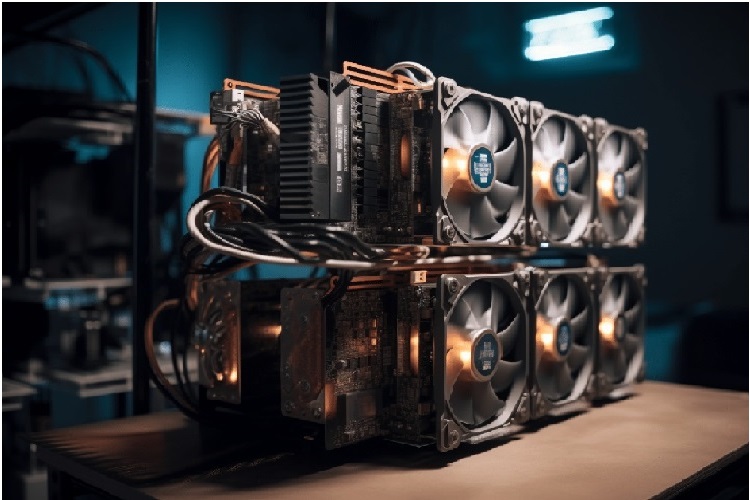
Infrastructure Transformation Leading mining operations are actively transitioning toward GPU mining AI computation solutions. A prime example is Hut8, which has strategically expanded into non-mining services while developing sophisticated high-performance computing centers. This expansion specifically targets the growing demand for computational infrastructure in AI applications. The company’s experience highlights how crypto miners use AI to diversify their operations:
Repurposing existing GPU infrastructure for AI workloads Developing specialized facilities for machine learning applications Creating hybrid operational models that serve both mining and AI computing needs Technical Considerations and Challenges The mining AI transition presents unique technical challenges that require careful consideration: ASIC miners (used in Bitcoin mining) cannot be repurposed for AI computations GPU-based altcoin mining operations have greater flexibility for AI integration Generative AI requirements differ significantly from traditional mining workflows.
Integration of Renewable Energy Bitcoin Mining Operations
The movement from traditional mining to renewable energy resources by Bitcoin mining operations is growing as the sector tries to minimize the environmental externalities of usual mining. The motivation for all this would be for economic and sustainable energy to help reduce the carbon footprint of mining activities. Mining facilities are increasingly locating themselves closer to renewable energy sources, such as wind farms and solar arrays, to tap into clean energy while reducing fossil fuel reliance. Research shows that positioning mining operations strategically adjacent to renewable energy sources can improve operational and sustainability efficiencies significantly. One of these studies states that renewable energy sources not only help reduce greenhouse gases but also stabilize electricity prices, which is essential for the profitability of mining. Further, advances in energy-efficient computing solutions and smart-grid technologies support this transition, thus empowering miners’ utilization of renewable resource energy optimization and vaulted applications.
The Strategic Position Of Black Rock
The latest moves by BlackRock in this cryptocurrency arena constitute a huge sign towards institutional adoption of digital assets. BlackRock continues to take significant steps in introducing the asset management giant into the crypto market, which has not been left behind in the adoption of cryptocurrencies by mainstream finance.
Filing for a Bitcoin ETF Application
One of the most substantial actions taken by BlackRock is applying for a Bitcoin ETF. This application is expected to be a turning point not just for BlackRock but also for the entire cryptocurrency economy because it will act as a conduit for more institutional investments coming into Bitcoin. With the opening of a Bitcoin ETF, investors will now engage with regulated and secured channels in investing in Bitcoin without purchasing the asset directly, which will hence boost the liquidity in the market and attract more institutional capital2.
Market Infrastructure Development
In addition to market development with the ETF application, BlackRock aims to develop, alongside, market infrastructures for cryptocurrencies. This entails further improved custody solutions for the safe storage of digital assets, as well as advanced trading infrastructure to facilitate efficient transactions. These are very important for the establishment of institutional investor trust and the resolution of regulatory issues hindering broad participation in crypto markets3. The evolution of market infrastructure driven by institutions like BlackRock not only enhances operational efficiencies but also contributes to the overall maturation of the cryptocurrency ecosystem. As institutional players continue to enter the space, they bring with them rigorous standards and practices that can help stabilize the market and promote sustainable growth.
Integration of AI and Blockchain Technologies
Now, AI and blockchain come together and make possible a completely different development for finance, logistics, and energy from both a technical and economic viewpoint. From both the analysis of the huge amounts of data and the ability to predict trends or identify correlations in their internal affairs to modeling different emerging markets or trends, the AI-and-blockchain combination can revolutionize many industries.
Conclusion
The integration of renewable energy into Bitcoin mining operations and the strategic positioning of institutions like BlackRock mark significant developments in the cryptocurrency landscape. As these trends continue to evolve, they underscore a broader transition towards sustainable practices and increased legitimacy within the digital asset space. The successful implementation of these strategies will be essential in shaping the future of crypto mining and its role in global finance.